AI rules and safety7 min read
EU AI Act: what small businesses outside Europe should know
The EU AI Act can reach businesses outside Europe when their AI is used there. Key dates after the 2026 changes, and what a small business should do.
By The Purple Rocket team
The EU AI Act is the European Union's law on artificial intelligence, the first broad AI law of its kind. It sorts AI uses by risk, bans a few outright, sets strict duties for high-risk systems and requires openness about chatbots and AI-generated content. It applies in stages, and in 2026 the EU changed some of its dates. Small businesses far from Brussels, including many in India, keep asking the same question: does it apply to me?
For most small businesses that use everyday AI tools, the answer is: only lightly, and mostly through the tools you use. But there are cases where it reaches you directly, especially if you serve customers in Europe. This guide covers the essentials as they stand in late November 2026. It is not legal advice.
Key takeaways
- The EU AI Act covers AI used in the EU, even when the business behind it is elsewhere.
- Its transparency rules apply from August 2026: people must know when they are dealing with an AI, and deepfakes must be disclosed.
- The Digital Omnibus on AI, in force since July 2026, moved the main high-risk deadlines to December 2027 and August 2028.
- Most small businesses are users of AI tools, not makers, and their duties are light.
- Avoid the banned practices, label deepfakes, tell people when they are talking to an AI and keep a person in charge of important decisions.
Who the EU AI Act applies to
The Act uses two main roles. A provider develops an AI system or model and puts it on the market. A deployer uses an AI system in its work. Both are covered when the system is placed on the EU market or its output is used in the EU, wherever the company is based. An Indian travel agent with a chatbot answering European customers, or a design studio delivering AI-generated videos to a client in Germany, can be within reach.
Most small businesses are deployers: they use ChatGPT, an AI receptionist or an image generator made by someone else. The heaviest duties fall on providers, especially of high-risk systems and general-purpose AI models.
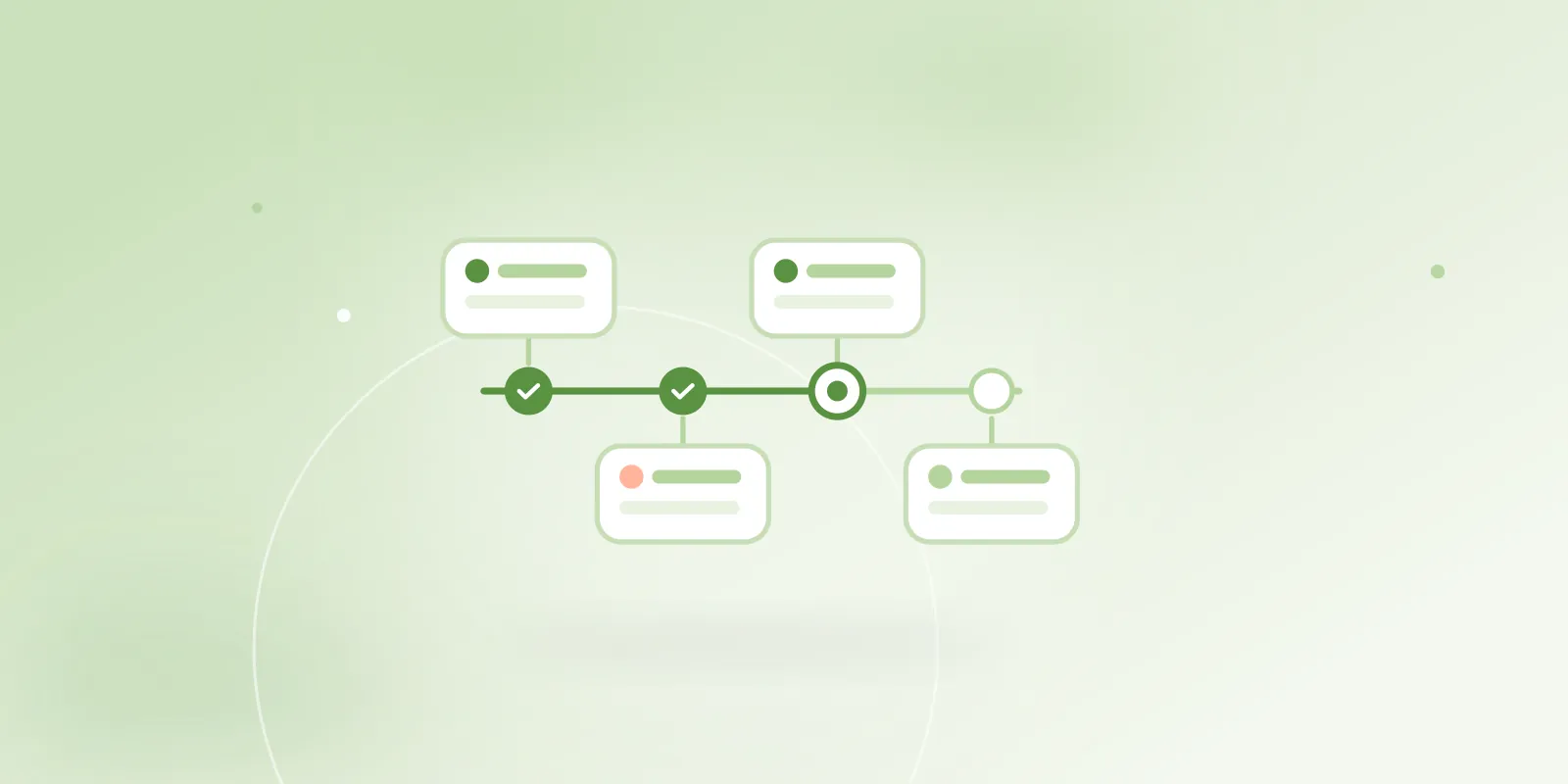
The EU AI Act timeline after the 2026 changes
- 1 August 2024: the Act entered into force.
- 2 February 2025: the bans on unacceptable practices and the AI literacy duty began to apply.
- 2 August 2025: duties for providers of general-purpose AI models began.
- 2 August 2026: the transparency rules began to apply, including telling people they are dealing with an AI and disclosing deepfakes.
- 2 December 2026: new bans take effect on AI systems that generate non-consensual intimate imagery or child sexual abuse material, and generative systems already on the market before August 2026 must meet the rules on marking AI-generated content.
- 2 December 2027: duties for the high-risk systems listed in Annex III, such as AI used in hiring, credit decisions or education, apply from this date instead of August 2026.
- 2 August 2028: duties for high-risk AI built into regulated products, such as machinery or medical devices.
The new dates come from the Digital Omnibus on AI, Regulation (EU) 2026/1744, which entered into force in July 2026. It postponed the high-risk deadlines, eased some documentation for small and medium-sized companies, and softened the AI literacy duty, so that businesses must now take measures to support AI literacy rather than ensure a set level. The bans and the transparency rules were not postponed.
What is banned
A short list of AI practices is prohibited because the risks are judged unacceptable. It includes manipulative techniques that cause significant harm, exploiting people's vulnerabilities, social scoring, predicting crime from profiling alone, scraping faces from the internet to build recognition databases, and inferring emotions in workplaces and schools except for medical or safety reasons. From December 2026 the list also covers AI systems that generate non-consensual intimate imagery or child sexual abuse material. Ordinary business uses of AI, such as drafting text or answering questions, are nowhere near it.
Transparency: the part most likely to affect you
Chatbots and voice agents
AI systems that talk directly to people must be designed so that people know they are dealing with an AI, unless it is obvious. That duty sits with the maker of the tool, but as the business using it, you should not hide it either. A one-line notice at the start of a chat or call is enough. AI receptionists and AI chatbots cover how to do it.
Deepfakes
If you use AI to create or alter images, audio or video that resemble real people, places or events and could be mistaken for real, you must disclose that they are artificially generated. Clearly artistic, satirical or fictional work has lighter duties. In practice: label realistic AI images and videos in your marketing.
AI-generated text on matters of public interest
Text generated or altered by AI and published to inform the public on matters of public interest must be disclosed as AI-generated, unless a person has reviewed it and an organisation takes editorial responsibility. A small business's own product descriptions and blog posts, checked by the owner, are generally not what this rule is aimed at, but honesty about AI is never a bad policy.
Marking by AI tools
Providers of generative AI must mark their output in a machine-readable way so that it can be detected as AI-generated. That is the tool maker's job, not yours, but it means AI images you use may carry hidden marks that platforms can read.
High-risk AI: probably not you, but check
High-risk systems are those used in sensitive areas listed in the Act: recruitment and managing workers, education and exams, access to credit, insurance and essential services, and others. If you use AI to screen job applicants or decide who gets credit, and those decisions affect people in the EU, you may be a deployer of a high-risk system, with duties such as human oversight, monitoring and keeping logs. These now apply from December 2027. A bakery's Website, or an AI that drafts social posts, is not high-risk.
A sensible checklist for a small business
- List the AI tools you use and what for, and note any that touch customers or staff in the EU.
- Check that none of your uses comes near the banned list. For an ordinary business, they will not.
- Tell people when they are talking to an AI, in chat, on the phone and by email.
- Label realistic AI-generated images, audio and video, especially of people.
- Keep a person in charge of decisions about people, such as hiring, and avoid tools that decide on their own in those areas.
- Help your team understand the AI tools they use: what they are good at, where they fail and what never to share with them.
- Prefer tools whose makers explain how they meet the Act.
Where your Website comes in
Your Website is where customers, European ones included, check who you are and how you work. A short, honest note about how you use AI, for example that you use AI to help draft content and that a person checks it, builds trust. AI Site Builder helps by keeping AI-written content as a draft you review and publish, and by never inventing reviews, awards or statistics. See how the AI website builder works and the plans; for the rules at home, read AI rules in India.
Frequently asked questions
Does the EU AI Act apply to Indian businesses?
It can, when AI systems are placed on the EU market or their output is used in the EU. A business that only serves customers in India, with no AI output used in Europe, is generally outside it.
When did the EU AI Act start to apply?
In stages. It entered into force on 1 August 2024. The bans applied from February 2025, the rules for general-purpose AI models from August 2025 and the transparency rules from August 2026. The main high-risk duties now apply from December 2027 and August 2028.
What was the Digital Omnibus on AI?
A 2026 regulation amending the Act. It postponed the high-risk deadlines, simplified some duties for smaller companies and added new bans on AI that generates intimate imagery without consent or child sexual abuse material.
Do I need to label AI-written blog posts?
Usually not, if a person reviews them and takes responsibility, and they are not news-style content on matters of public interest. Realistic AI images and videos of people are another matter: label them.
Read next
Blog
AI rules in India: what small businesses must know
India's AI rules in plain English: deepfake labels under the IT Rules, the AI governance guidelines and data protection, and what they mean for you.
ReadBlog
AI chatbot for a business Website: worth it or not?
An AI chatbot can answer Visitors' questions day and night, but it can also get facts wrong. When a small business needs one, and the better alternatives.
ReadBlog
Deepfake scams: how to protect your small business
Deepfake scams use AI-cloned voices and faces to trick staff into paying or sharing details. How they work, and simple habits that protect a small business.
ReadPut this into practice
Describe your business and build your Website with AI, free for 7 days. See every feature